

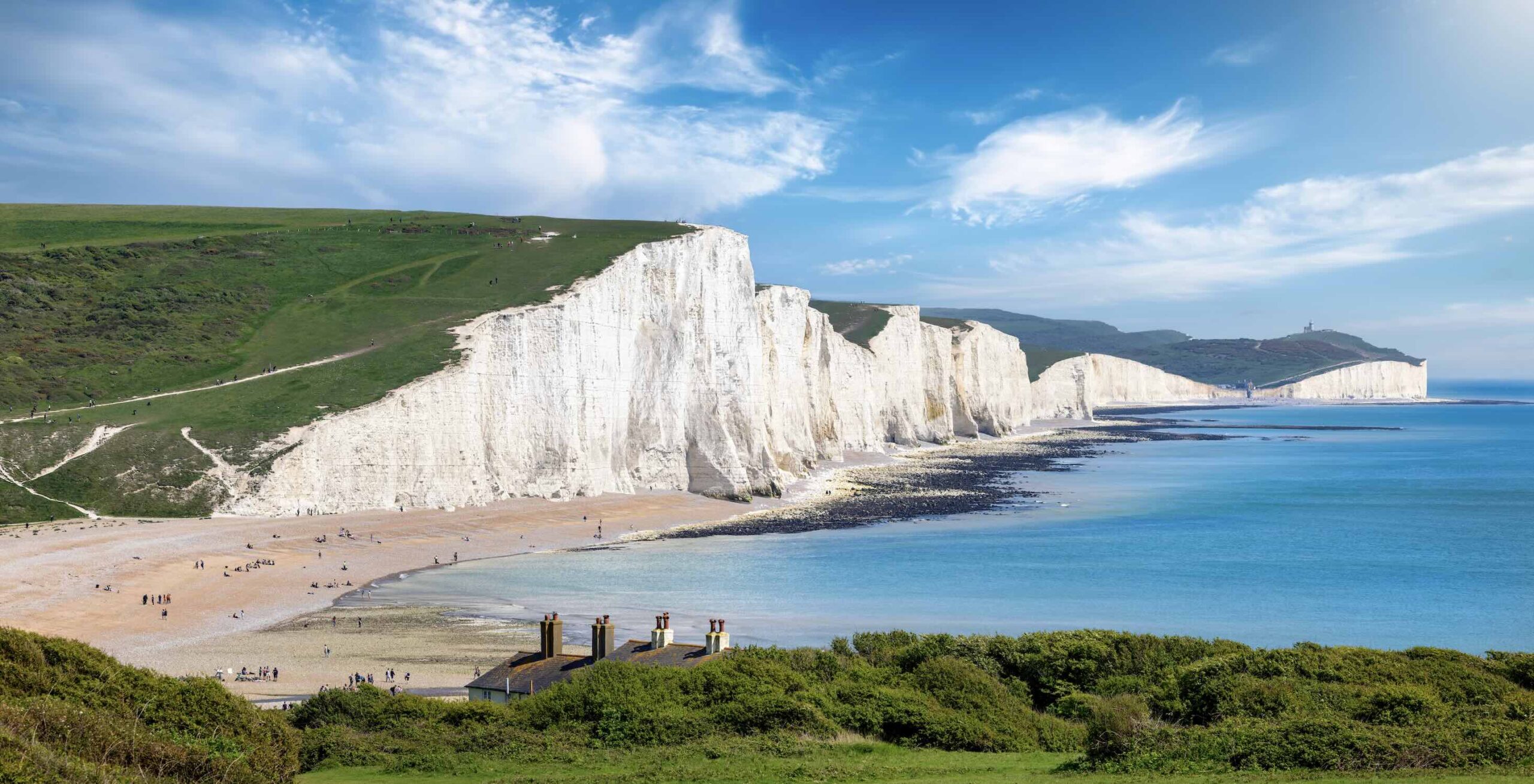
If you’re promoting a natural destination—whether it’s a national park, coastal region, desert expanse, or a single scenic site—you already know that beauty alone isn’t always enough to draw consistent visitors. While the landscape may be stunning, travellers today often look for something more personal, more immersive, or more emotionally rewarding.
This guide looks at practical ways to position your natural site as an experience—not just a location. You’ll find suggestions and considerations that can help you shape your messaging, add value for different types of travellers, and better communicate what makes your destination worth visiting.
- Key Takeaways
- Framing the Experience: Emotion vs. Description
- Adding Value: Passive Access vs. Guided Experiences
- Promoting Adventure: Soft Thrill vs. High Adrenaline
- Making the Familiar Feel New
- Communicating Impact and Sustainability
- Using Visuals and Story-Driven Media
- Highlighting What's Special Right Now
- Test Microsite Variations to See What Resonates
- Key Considerations at a Glance
- Conclusion
Key Takeaways
Emotional Framing Brings Nature to Life: Don’t just describe the landscape—highlight what it feels like to be there. Awe, serenity, freedom, or discovery are often more compelling than facts.
Offer a Range of Experiences, Not Just Views: From peaceful hikes to thrilling zip lines, people have different comfort zones. Providing varied ways to explore helps you appeal to more kinds of travellers.
Balance Access With Preservation: Promoting natural beauty can boost tourism, but overexposure can harm it. Highlight your sustainability efforts so travellers feel good about their impact.
Framing the Experience: Emotion vs. Description
When promoting natural sites, some marketers focus heavily on the visual—sunsets, cliffs, waterfalls. That may work in certain cases, but it often leaves travellers unclear on what they’ll feel or do when they arrive.
Alternative approach: You could frame your messaging around the emotional value of the experience. For example:
- “A place to reconnect with yourself.”
- “The sound of silence, miles from the nearest road.”
- “Stand on the edge of an ancient cliff with nothing between you and the horizon.”
This emotional framing doesn’t replace practical details—but it adds resonance.
When it works best:
- For remote, tranquil, or untouched sites.
- When your audience values solitude, mindfulness, or awe.
What to be mindful of:
- Don’t overpromise; ensure your visuals and logistics match the emotion you describe.
Adding Value: Passive Access vs. Guided Experiences
You might currently offer basic access—trails, signage, and maybe a visitor center. That’s often enough, especially for self-guided travellers.
But some destinations find success by adding optional guided or seasonal experiences, such as:
- Birdwatching walks led by locals
- Night sky or sunrise tours
- Photography sessions with regional experts
- Nature + culture pairings (e.g. hiking with local history or cuisine)
Pros of adding guided options:
- Creates more engaging content for marketing
- Appeals to visitors who want more structure or insight
- Can increase average spend per visitor
Cons to consider:
- May require permits, partnerships, or training
- Not all visitors want a group or guided format
If you choose to introduce experiences, you might pilot a few low-scale options first—especially if your site has sensitive ecosystems.
Promoting Adventure: Soft Thrill vs. High Adrenaline
If your landscape allows for it, you might consider offering or promoting soft adventure or even high-adrenaline activities.
Soft thrill options:
- Kayaking, easy canyon walks, sunrise hikes
- Often suited to a wide audience
- Lower risk and minimal infrastructure needs
High-adrenaline options:
- Rock climbing, ziplining, paragliding
- Offers strong visual marketing and bucket-list appeal
- Requires specialist partners and robust safety messaging
Questions to ask yourself:
- Does this match the tone and purpose of the destination?
- Will it enhance the site’s appeal, or distract from its natural essence?
Adventure isn’t the right fit for every site—but for some, it’s what brings global attention and repeat visits.
Making the Familiar Feel New
You may already have a well-known landmark or trail—but how it’s presented makes a big difference. Many sites have success by changing the context or introducing a new perspective:
- Seasonal events: “Visit during the short-lived wildflower bloom”
- Time-based shifts: “The cliffs glow pink at sunrise”
- Niche angles: “A geological walk for rock lovers” or “Hidden waterfalls of the northern trail”
Benefits of this approach:
- Adds freshness for returning visitors
- Generates content variety for social or email marketing
- Allows for micro-targeting niche audiences
This approach works especially well when you have a lot of repeat tourism or if your destination has multiple layers to explore.
Communicating Impact and Sustainability
Today’s traveller is increasingly aware of their footprint. You don’t need to overhaul your marketing to become “eco”—but being clear about sustainability can build trust.
Some options to consider:
- Share how visitor fees support trail maintenance, guides, or conservation
- Partner with local artisans or communities
- Introduce carbon-neutral or low-impact visit suggestions
Potential benefits:
- Appeals to conscious travellers
- Adds depth and meaning to the experience
- Helps protect your site in the long term
Limitations to manage:
- Must be authentic—greenwashing damages trust
- Takes clear messaging; avoid vague labels like “eco” or “green” unless you explain them
Using Visuals and Story-Driven Media
Your site may already be visually strong—but are you helping people imagine themselves there?
Some strategies you might explore:
- Short clips showing visitors arriving, walking, or reacting emotionally
- Drone views combined with close-ups of details (wildflowers, textures, sounds)
- Featuring visitors of different backgrounds and ages to increase relatability
Why this works:
- Helps reduce uncertainty
- Builds emotional engagement
- Encourages sharing and saves ad spend by improving organic interest
You don’t need to overproduce your content. Often, simple, authentic visuals perform better than heavily edited marketing videos.
Highlighting What’s Special Right Now
For many natural attractions, timing can add urgency. You might want to build short campaigns around:
- Peak seasonal beauty (autumn leaves, spring wildflowers)
- Wildlife patterns (migratory birds, calving season)
- Weather-based moods (misty mornings, winter stillness)
If your audience is local or regional, this also encourages repeat visits.
What to keep in mind:
- Real-time updates can require flexible content management
- Consider a small newsletter or social media routine to highlight timing-based opportunities
Test Microsite Variations to See What Resonates
When promoting natural wonders, even small tweaks in presentation can affect how travellers respond. A simple way to test this is by creating microsite variations—lightweight pages that highlight your destination or experience in slightly different ways.
What to test:
- Headlines that focus on emotion vs. geography
- Imagery: wide scenic shots vs. action-focused images
- Call-to-action wording (e.g. “Start Your Journey” vs. “Book a Guided Tour”)
- Layouts that emphasize video vs. written storytelling
Why it helps:
You’ll get real insights into what actually drives interest and clicks—helping you move beyond guesswork and focus your marketing around what travellers respond to.
Tip: Use A/B testing tools or run small paid traffic tests to compare results. Even small improvements in conversion can make a big difference over time.
Key Considerations at a Glance
- Highlight the emotional or sensory impact of the destination—not just visual beauty.
- Consider offering optional add-ons or curated experiences to make visits more memorable.
- Explore whether to promote adventure, stillness, or cultural context, based on your audience and setting.
- Weigh the benefits of seasonal or rare-time marketing to increase urgency or appeal.
Conclusion
There’s no one-size-fits-all strategy for attracting more travellers to your natural wonder. Your approach depends on your landscape, your audience, your goals, and your capacity.
That said, there are several directions worth considering—from emotional storytelling and immersive experiences to soft adventure and seasonal highlights. You don’t have to implement everything. But by choosing which approaches fit your site best, you give yourself the tools to connect with travellers on a deeper level—so they don’t just visit, but remember and recommend.